
RTOS Pitfalls
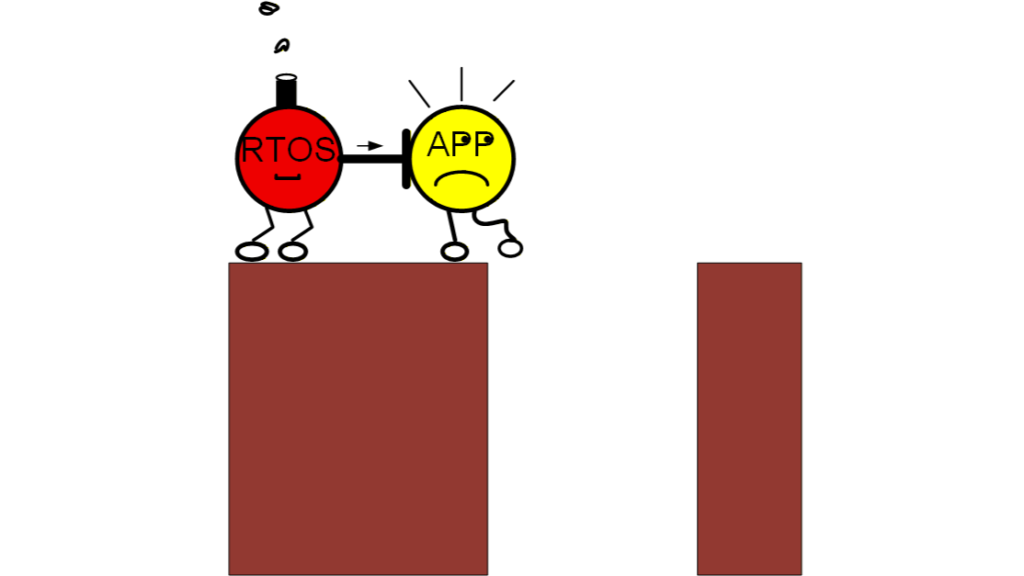
There is a widespread belief that simpler is better for RTOSs. But if you find that you are spending time programming around your RTOS’s deficiencies or debugging problems due to it not behaving as expected, then it is not serving you well.
Interrupt and Task RTOS Latencies
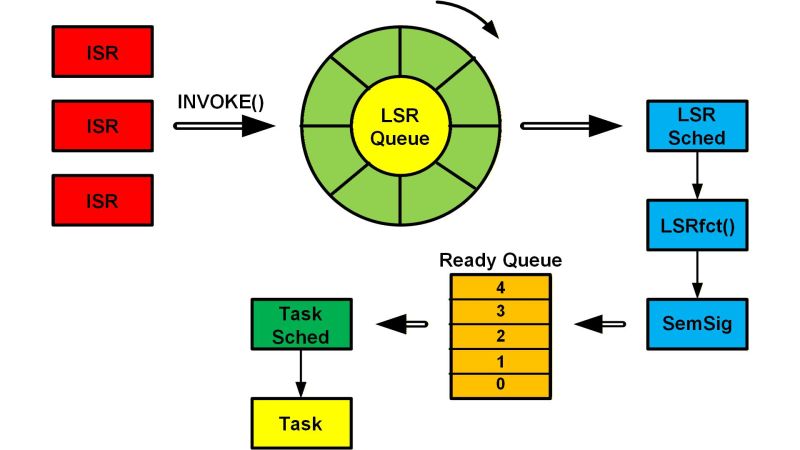
Interrupt latency can vary considerably from RTOS to RTOS. Poorly designed, small RTOSs can have much worse interrupt latency than well-designed full-featured RTOSs.
An Event Friendly RTOS
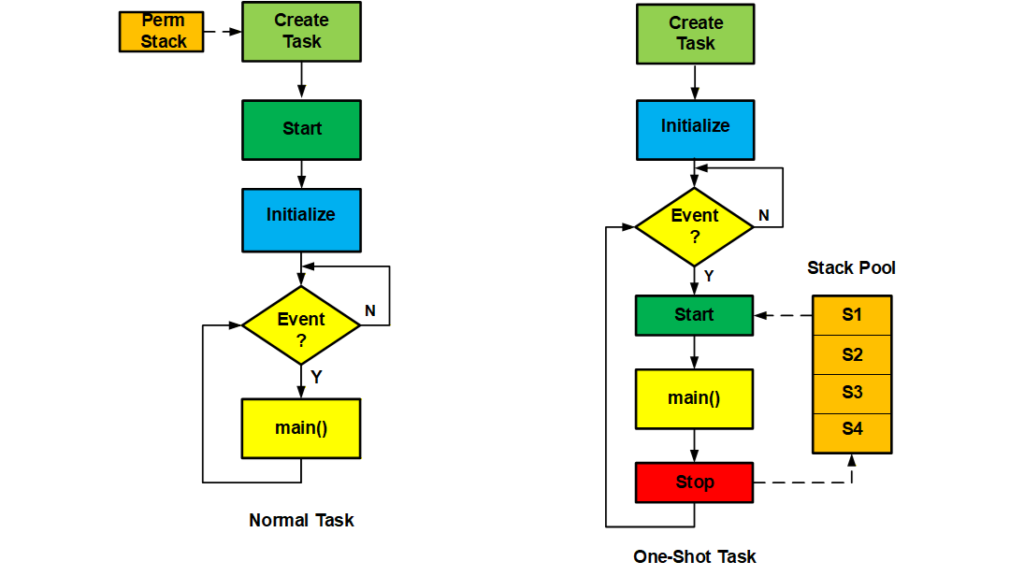
There is increasing interest in active objects (AOs) to deal with the problems of handling events in complex real-time systems. Events are generally signaled by interrupts. In order to minimize interrupt service routine (ISR) complexity most RTOSs allow tasks to do deferred interrupt processing. There are many problems with this.
Bare Metal is Risky
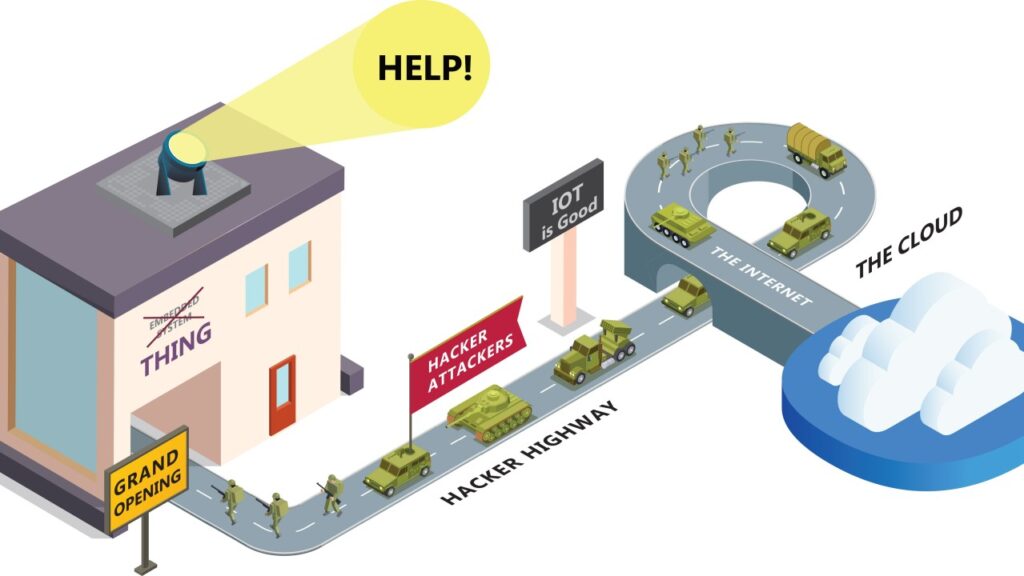
Most bare-metal to RTOS comparisons focus on technical decision factors and miss important business factors.
eheap Part 5: Special Features
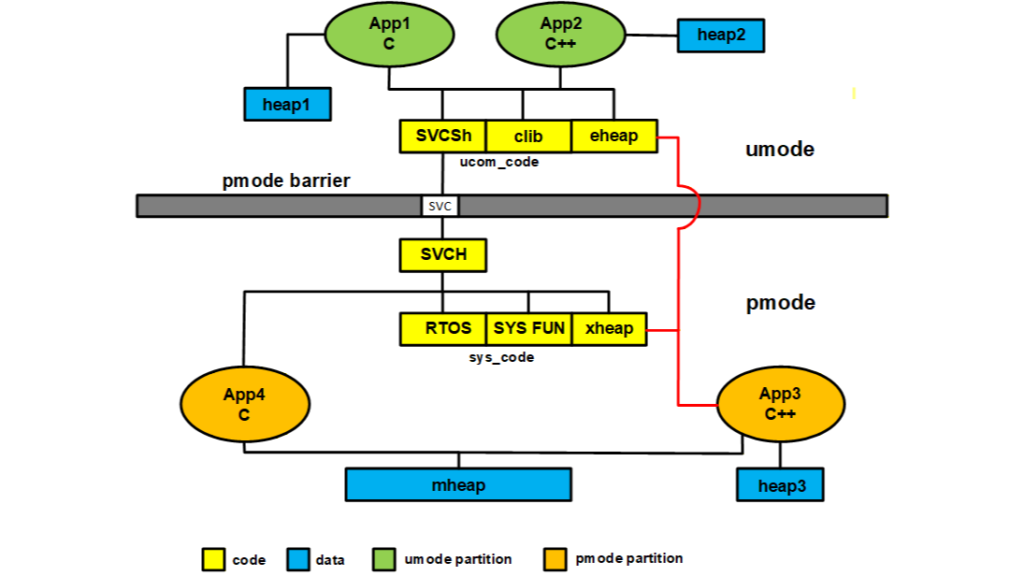
eheap has several interesting features that help to find usage errors, tune performance, and improve resiliency.
eheap Part 4: Chunks
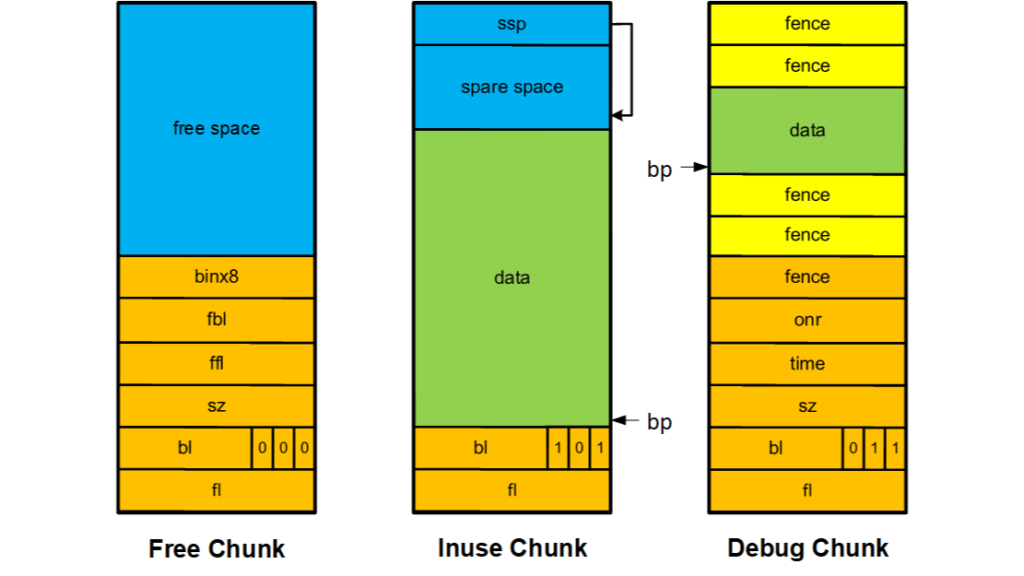
A chunk is the basic unit of a heap. eheap supports three types of chunks: free, inuse, and debug.
eheap Part 3: Allocations
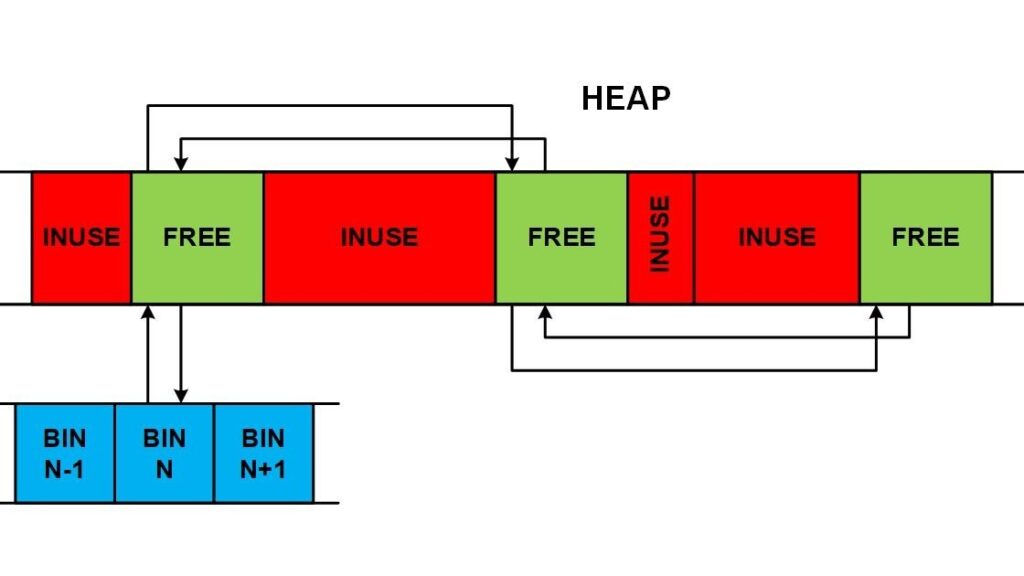
eheap supports basic heap allocation and free operations, but with more parameters.
eheap Part 2: Bins
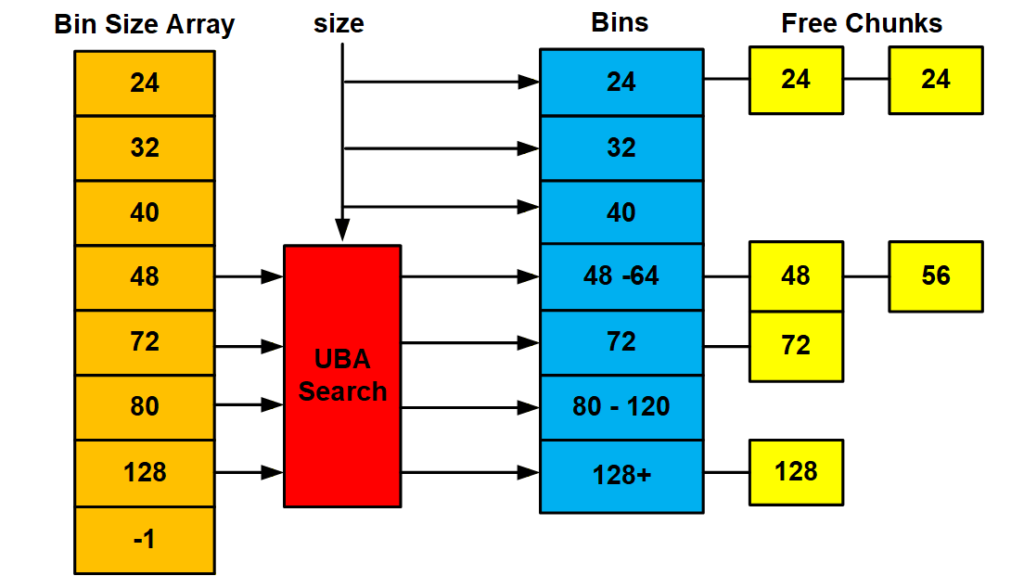
Like dlmalloc and similar heaps, embedded heap uses bins to hold free chunks. However, eheap bins are designed for the needs of embedded systems.
eheap Part 1: Basics
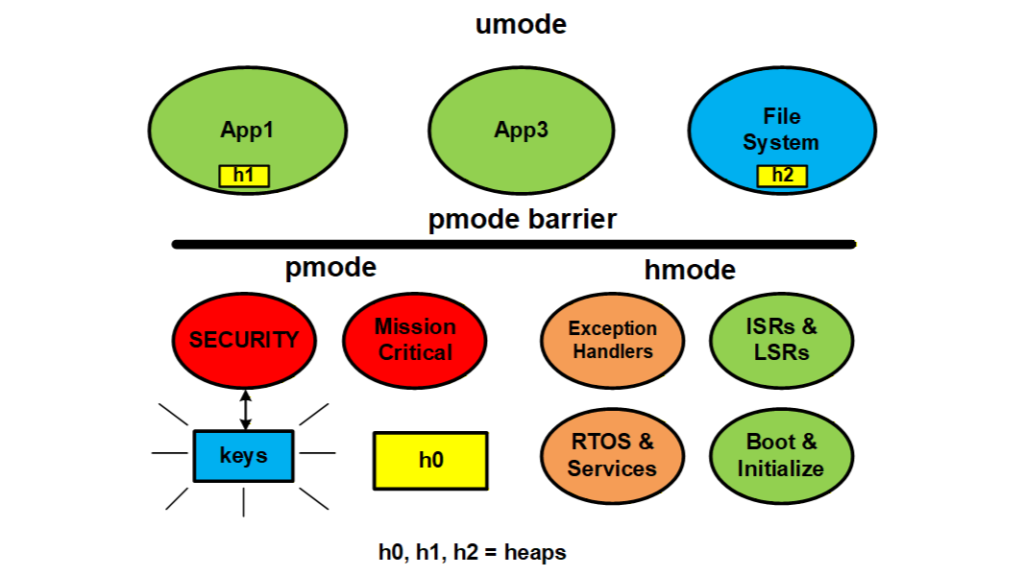
embedded heap, eheap, is specifically designed for embedded systems. Traditionally, embedded systems have used block pools instead of heaps due to the need for determinism. However, that is changing.
How to Use Task Callbacks
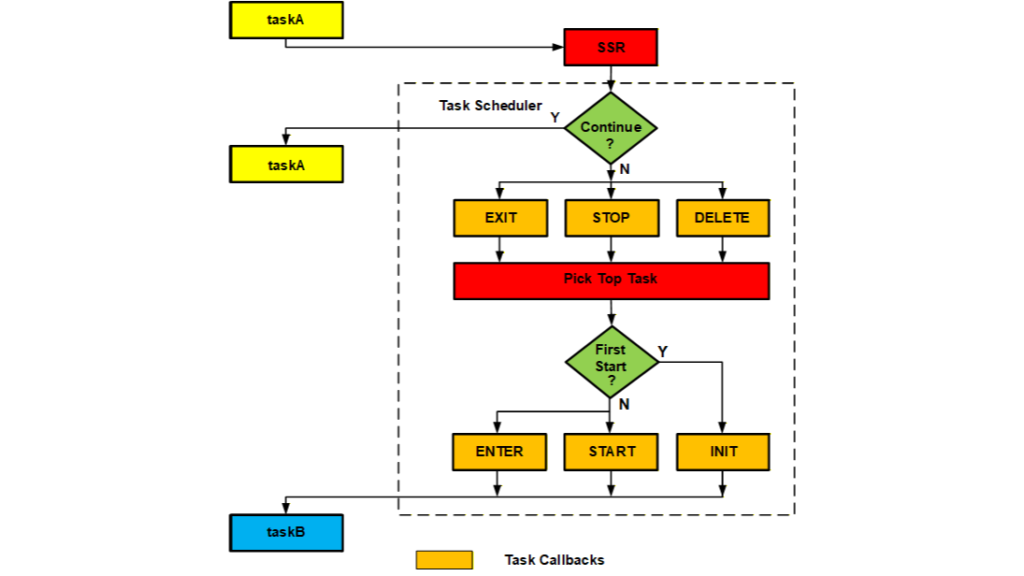
Task callbacks add powerful tools to the embedded programmers toolbox. Each task can have its own callback function.